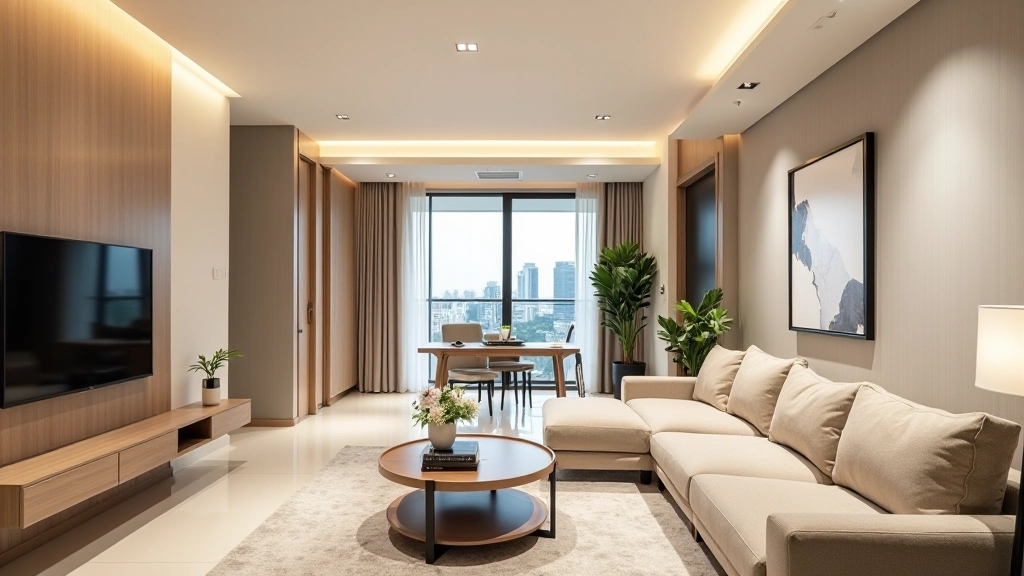
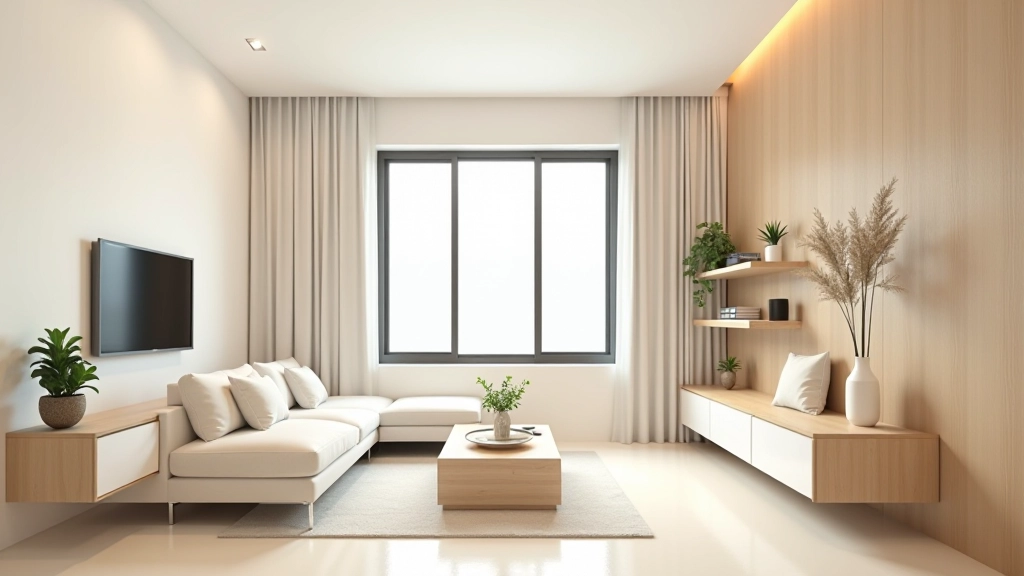
Maximizing HDB Flat Layouts: The Complete Walkthrough
Learn how to reconfigure your HDB space to feel bigger without renovation. Includes furniture placement strategies and layout examples.
Your kitchen doesn’t need to feel cramped. We’ll show you hidden storage spots you’ve missed and budget-friendly organizers that multiply your space instantly.
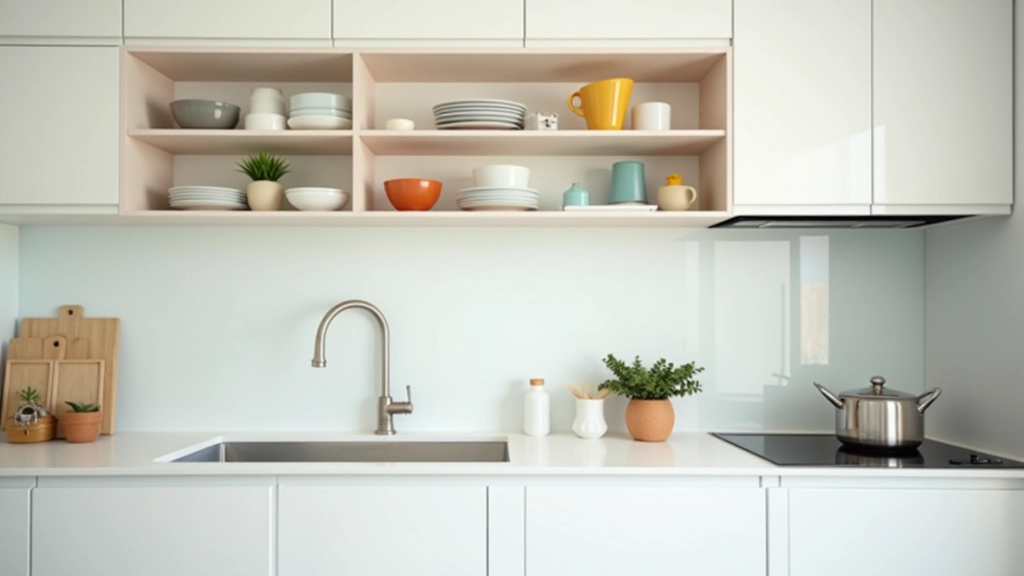
A cramped kitchen isn’t just annoying — it actually slows you down. You’re constantly shuffling things around, hunting for that one pot, and working in a space that feels smaller than it really is. But here’s the thing: you don’t need a renovation to fix this. Most kitchens have hidden storage potential you’ve completely overlooked.
We’ve worked with hundreds of Singapore homeowners — from tiny HDB flats to compact condos — and we’ve seen the same pattern over and over. People buy expensive cabinet systems when the real solution was right there all along. Vertical space, corner solutions, and smart organization tools can genuinely transform how your kitchen functions. Let’s show you what we’ve learned.
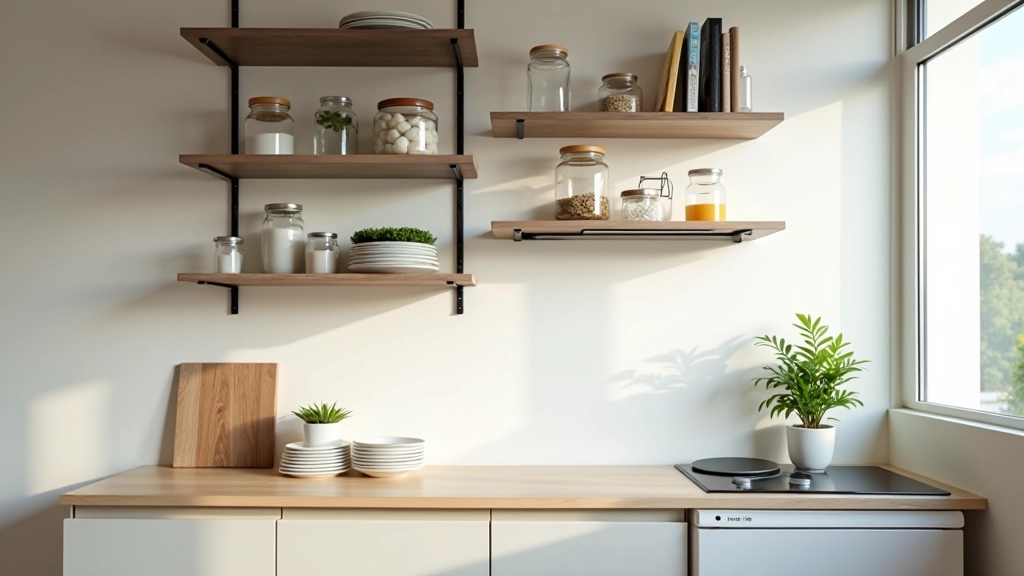
Most people treat their kitchen walls like they’re just there to hold paint. They’re not. Your walls are prime real estate. Floor-to-ceiling storage changes everything — it’s the difference between “I have nowhere to put things” and “I actually have room to breathe.”
Wall-mounted shelving works brilliantly in small kitchens because it doesn’t eat floor space. A single 180cm tall shelf unit (roughly 60cm wide) gives you about 1.8 square meters of storage without taking up any counter room. Add magnetic knife strips, hanging rails for utensils, and hooks for tea towels, and you’ve freed up multiple drawer slots. That matters when you’re working with limited cabinet space.
The key? Don’t just mount random shelves. Plan what you’re storing — everyday glasses on the most accessible shelf (eye level), heavier items lower, less-used stuff higher. And leave some breathing room. Packed-tight shelves feel chaotic and actually make the space seem smaller. A bit of negative space is your friend.
Pro tip: Stainless steel shelving with brackets costs between $40-80 per shelf unit and installs in about an hour. It’s one of the fastest kitchen transformations you can make.
This guide shares design strategies and organization techniques based on common practices in compact home design. Actual storage solutions depend on your kitchen’s specific layout, wall materials, and HDB/condo regulations. Always check your lease or property guidelines before making structural changes — some HDB flats have restrictions on drilling or modifications. When in doubt, consult a contractor about load-bearing walls and proper installation.
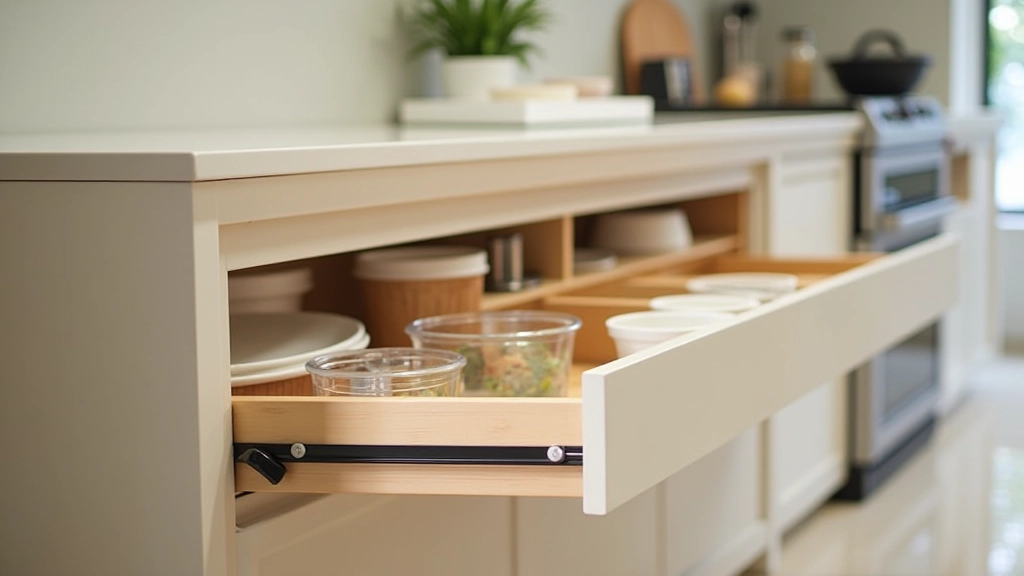
Corner cabinets are notorious for being useless. You reach in, feel around, and somehow half your stuff just disappears into the darkness. But that’s because most people never optimize them properly. Pull-out corner solutions are game-changers — they’re not glamorous, but they actually work.
Blind corner pull-outs (around $30-60) mount inside your existing cabinet and rotate outward. Suddenly you can actually see and reach everything. Or consider carousel systems for corners — they spin 360 degrees and let you access items without hunting through the back. Yes, it’s a small thing, but it reclaims usable storage you’ve basically been wasting.
Then there’s the space above your cabinets. Most people leave it empty or pile random stuff there. But that gap is perfect for storing infrequently used items — large serving platters, specialty baking pans, that rice cooker you only bring out for Chinese New Year. Add some decorative baskets and you’ve created valuable storage that’s out of daily sight.
Here’s where most people fail at kitchen organization: they buy storage solutions and don’t actually use them consistently. The drawer dividers sit in a box for six months. The label maker stays in a drawer. The system falls apart because it wasn’t sustainable.
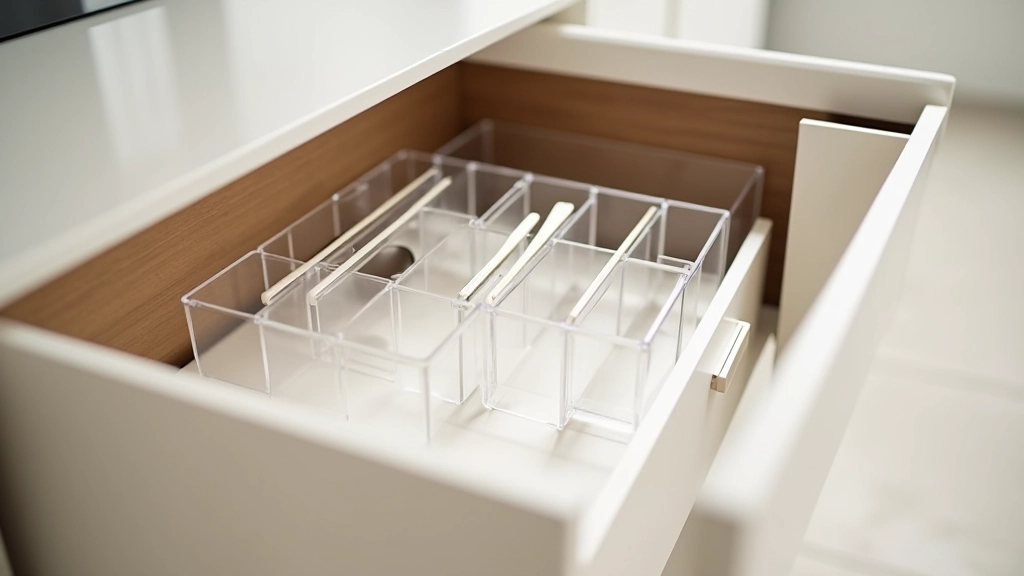
What works is simpler. Use drawer organizers (foam inserts or adjustable dividers cost $10-25) to create designated zones. Utensils in one slot, cooking tools in another, kitchen towels somewhere else. Everything has a home. When you’re cooking and you need something, you know exactly where it is — no rummaging.
Pro move? Group items by function, not by category. Keep everything you use for breakfast in one area — cereal containers, bowls, spoons, napkins. Everything for tea prep together. This “task-based” organization means you’re not running all over the kitchen just to make a cup of coffee. It sounds small, but it saves you dozens of trips per week.
Store cutting boards, baking sheets, and large lids upright. They take less space and you can see what you have at a glance.
Swap random bags for clear storage containers. You’ll actually use what’s inside instead of buying duplicates.
Mount a stainless steel strip inside a cabinet door for knives and metal utensils. Frees up drawer space instantly.
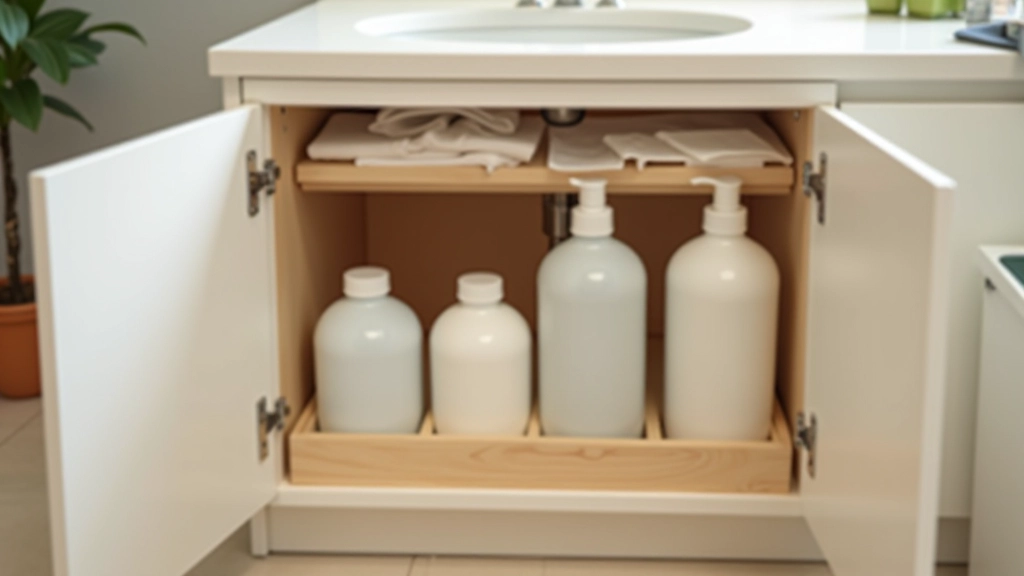
The space under your sink is valuable. But it’s also usually a disaster zone — cleaning supplies everywhere, a stray plunger, mysterious bottles leaking into everything. You’re not using that space efficiently, and honestly, most people don’t even try.
Under-sink organizers ($25-50) completely change this. Pull-out sliding baskets let you access stuff at the back without reaching in blindly. Tiered shelf risers double your usable surface area. And a tension rod mounted on the cabinet sides gives you hanging space for spray bottles and cleaning cloths. Suddenly that awkward dark corner is actually functional.
One more thing: if you’ve got pipes under there, don’t fight it. There are organizers specifically designed with cutouts for plumbing. You’re not trying to maximize every millimeter — you’re just trying to make what you have work properly. A small shelf unit that fits around the pipes is way better than jamming everything in randomly.
Storage solutions don’t have to be complicated or expensive. You’re not looking for a Pinterest-perfect kitchen — you’re looking for a space that functions well and doesn’t drive you crazy every time you cook. That’s the real goal.
Start with one area. Maybe it’s those corner cabinets that have frustrated you for years. Or the junk drawer that’s somehow become three junk drawers. Pick something, get one or two organizing tools, and actually implement it. See how it feels. Then move to the next problem area. Build momentum instead of trying to overhaul everything at once.
Small kitchens aren’t a curse — they just require a bit of intentional planning. You’ve already got the space. Now you’re just going to use it properly.
Want more small-space design strategies?
Explore More Interior Design Guides