Maximizing HDB Flat Layouts: The Complete Walkthrough
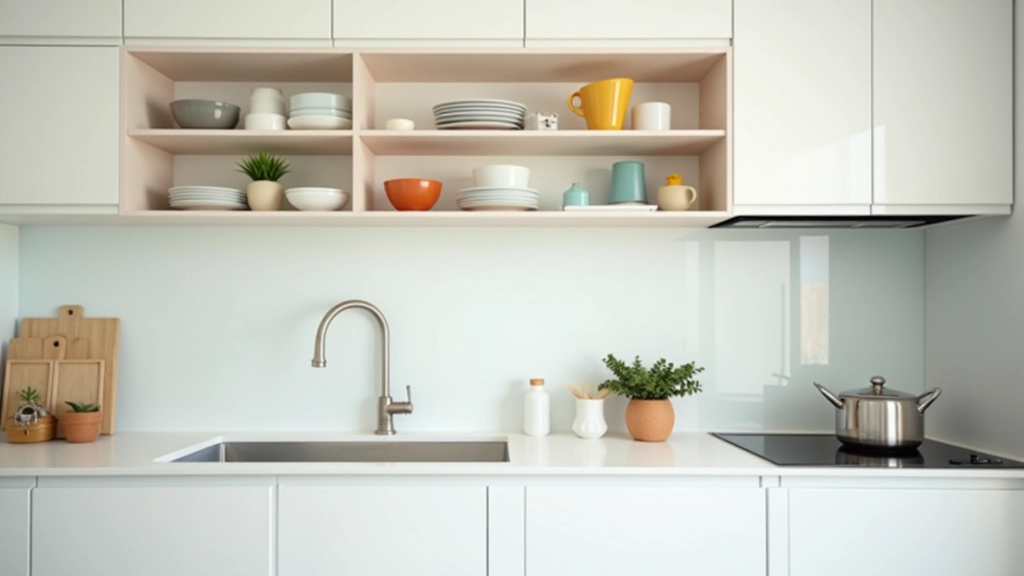
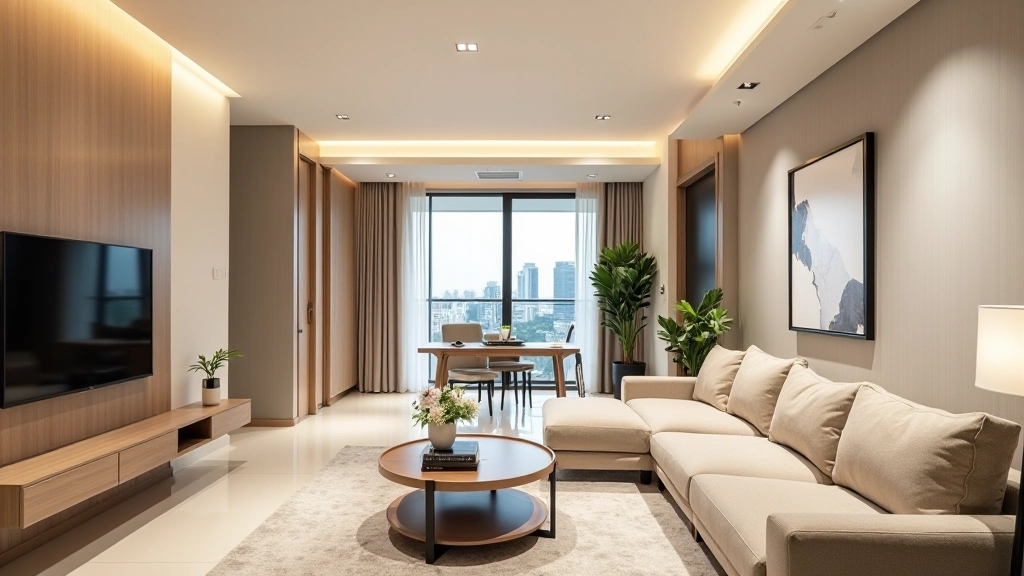
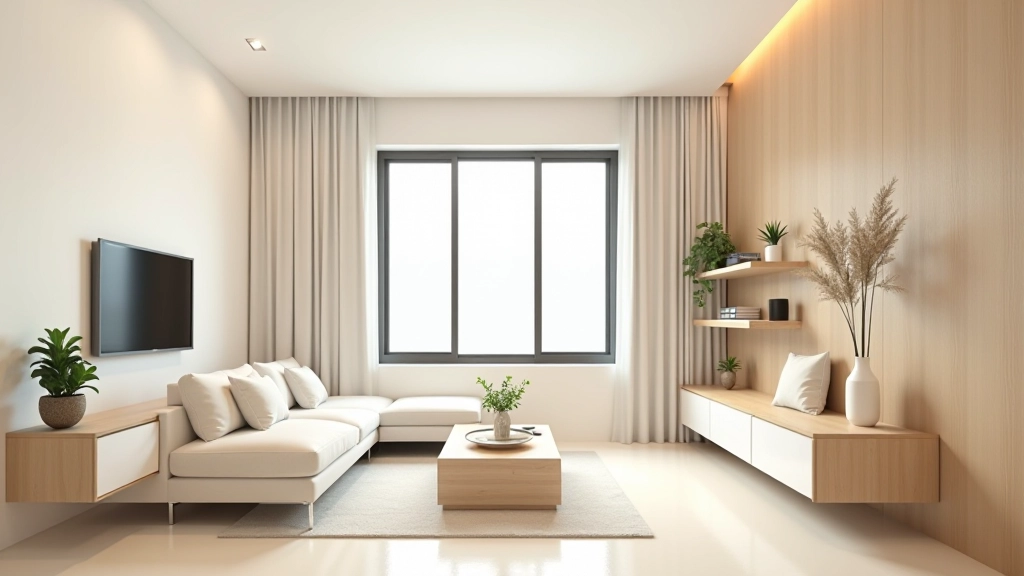
Learn how to reconfigure your HDB space to feel bigger without renovation. Includes furniture placement strategies and proven spatial tricks.
Read Article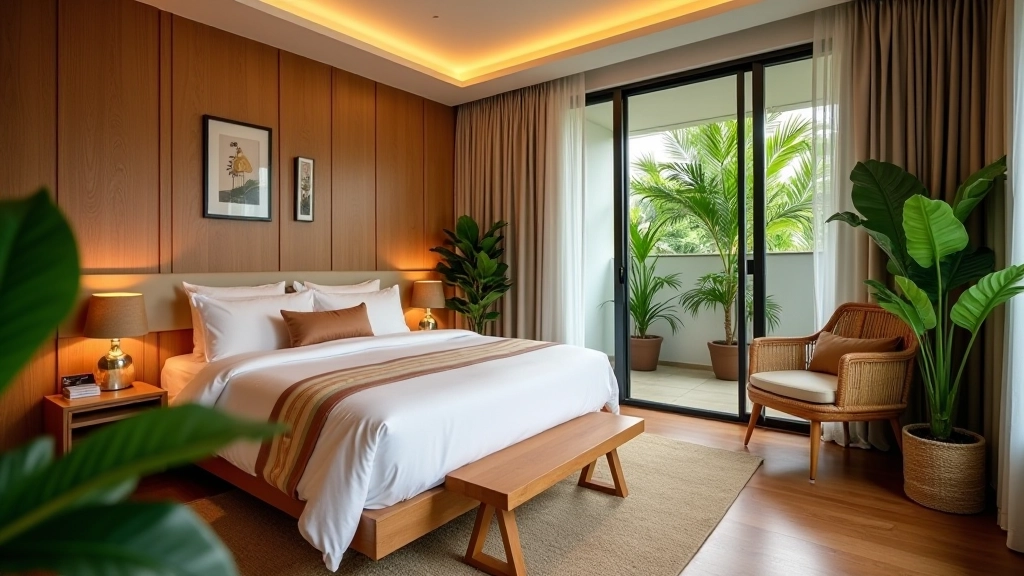
Bring Singapore’s natural beauty indoors without overwhelming small spaces. We’ve tested every plant type, color combo, and material that works in our climate.
When you’re living in a 600 square foot condo or a compact HDB flat, tropical décor can feel like a risky move. You’re worried it’ll look like a jungle gym or make the space feel smaller. But here’s what we’ve discovered over years of working with Singaporean homeowners: tropical design doesn’t have to be over-the-top. It’s actually one of the smartest approaches for small spaces when you know what you’re doing.
The key isn’t adding more plants. It’s being strategic about color, scale, and placement. We’ll walk you through exactly what works—and what doesn’t—in compact homes where every square meter matters.
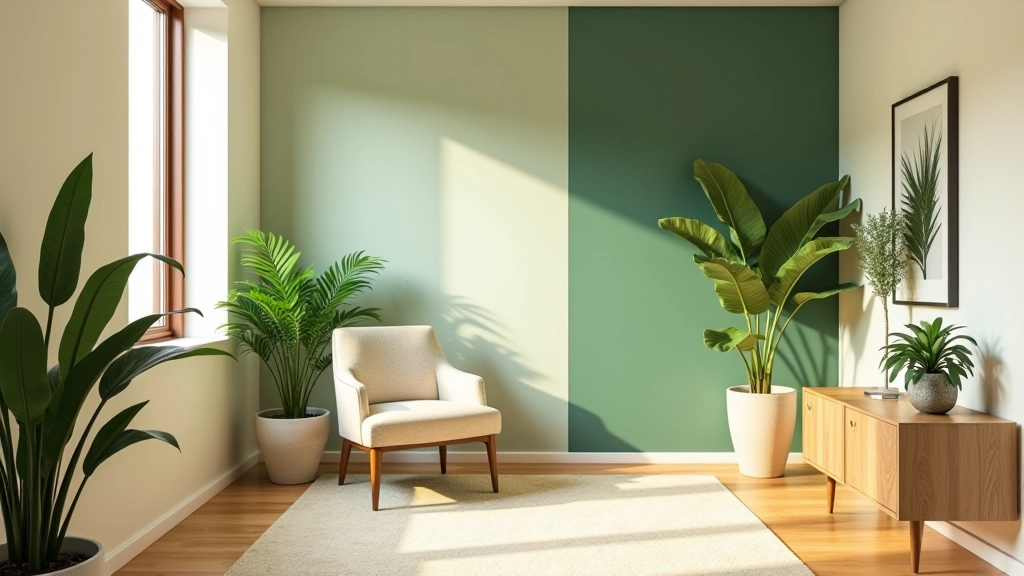
Tropical doesn’t mean bright green walls and neon accents everywhere. We’re talking warm neutrals as your base—soft whites, warm grays, natural wood tones. These colors make a space feel open and aren’t fighting for attention.
Then you layer in your tropical elements. Deep forest greens work better than lime green in small spaces. Terracotta and warm sand tones add warmth without intensity. Cream and off-white create breathing room. The magic happens when you use color restraint. You’ll actually feel the tropical vibe more strongly because your eye isn’t overwhelmed.
In our experience, limiting yourself to 3-4 main colors (plus neutrals) transforms a small space. One client had a 450 sq ft studio apartment. She painted an accent wall in deep sage green, kept the rest white, and added warm wood flooring. The space suddenly felt intentional and tropical—not cramped.
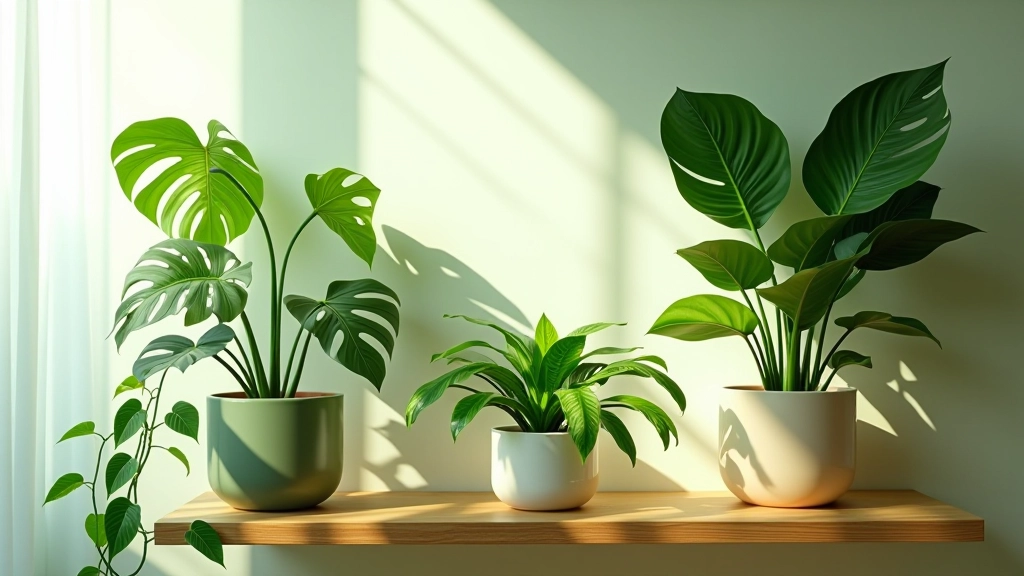
Here’s what we’ve learned: not all tropical plants work in small spaces. Oversized fiddle leaf figs and bird of paradise plants that grow to 6 feet tall? They’ll dominate a 10×10 bedroom. You don’t want that.
Instead, focus on plants that stay reasonably compact or grow vertically without spreading wide. Monstera deliciosa works if you keep it trimmed—it grows upward, not outward. Pothos vines are perfect because you control their spread. Snake plants are underrated tropical staples that fit anywhere. Philodendrons stay manageable. And here’s a pro tip: trailing plants hung from shelves or wall-mounted planters give you that lush tropical feel without taking up floor space.
Singapore’s humidity is your advantage. Your plants will thrive without special treatment. But don’t overcrowd. Three well-placed plants create more impact than ten squeezed into corners. One hanging pothos above a sofa. One monstera in a corner catching indirect light. One snake plant on a shelf. That’s a complete tropical plant setup for a compact room.
This article is informational guidance based on our experience working with Singaporean homeowners. Every space is unique—your results may vary based on lighting conditions, humidity, budget, and personal preferences. For specific design consultations or custom advice for your particular home, we’d recommend connecting with a qualified interior designer who can assess your space in person.
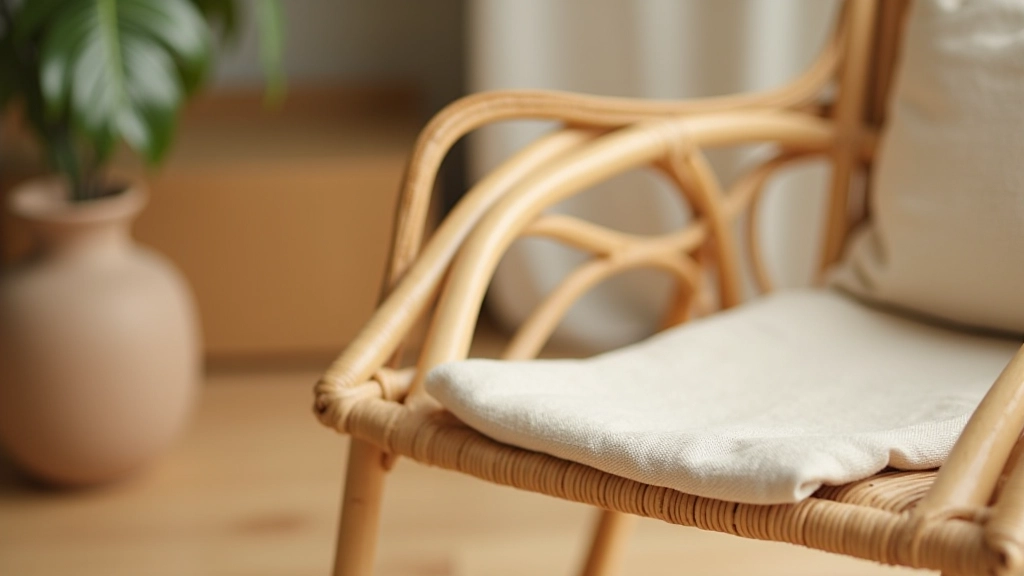
The materials you choose matter as much as the colors and plants. Natural materials feel tropical without looking overdone. Rattan, woven jute, raw wood—these materials create instant warmth and texture.
In small spaces, you’re using materials to create visual interest without adding clutter. A rattan chair in the corner instantly reads “tropical.” Jute wall hangings add texture without taking up space. A wooden headboard brings natural warmth to a bedroom. Stone or concrete accents (small ones—a decorative bowl, a side table) ground the space and prevent it from feeling too “soft.”
The trick is mixing textures. Smooth ceramic with rough rattan. Soft fabric with hard wood. This variety keeps a small space visually interesting. A client in Tanjong Pagar used a rattan room divider, wooden shelving, and linen curtains in a 350 sq ft studio. The combination of textures made the space feel intentional and resort-like, not cramped.
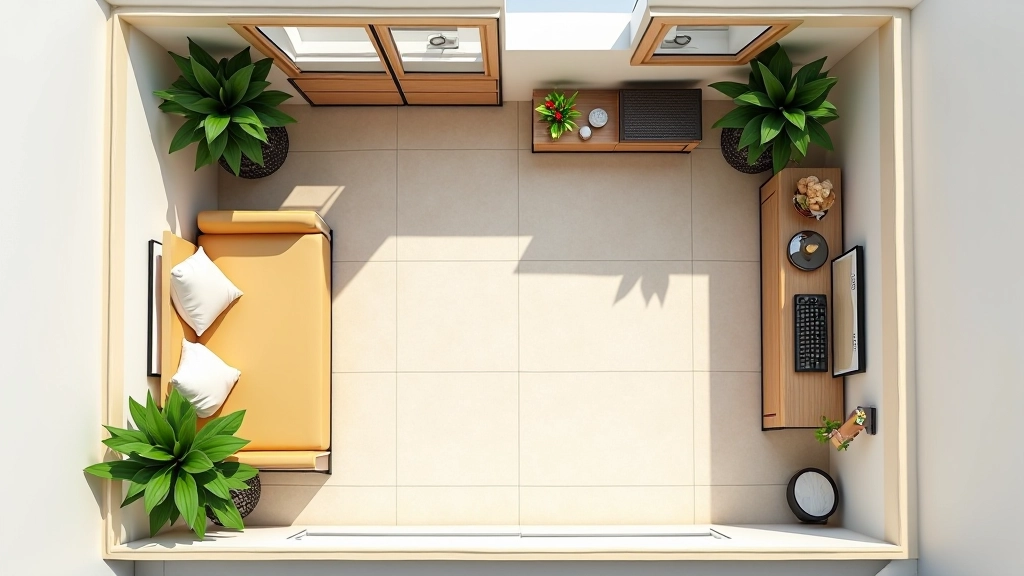
This is the secret that separates tropical décor that works from tropical décor that overwhelms. It’s all about placement. Put your plants where they won’t block sightlines. Hang trailing plants from walls and ceilings rather than putting them on the floor. Use vertical space—shelves, wall-mounted planters, hanging arrangements—instead of spreading things horizontally across your limited square footage.
In a compact bedroom, put one statement plant in a corner where it catches light but doesn’t block the view of the room. Use the walls for everything else. A 2-foot tall pothos cascading down from a high shelf feels luxurious and tropical without taking up floor space.
Keep your floor open. This is critical. An open floor makes a room feel bigger, even if you’ve added tropical elements everywhere else. One client rearranged her 500 sq ft flat by moving all her plants to high shelves and wall hangers. The floor suddenly felt spacious, and the room felt more tropical because your eye traveled upward instead of landing on plant pots.
Tropical spaces need good light to shine. Singapore’s natural sunlight is abundant, but small spaces can feel dark if windows are limited. This is where strategic lighting becomes essential. Warm white lights (not cool white) complement tropical colors beautifully. Pendant lights over a dining area, string lights around a reading corner, or uplighting on plants create atmosphere without taking up space.
Natural light matters for your plants too. Before you buy a monstera, check where your light actually comes from. South-facing windows get intense afternoon sun. North-facing gets softer, all-day light. This determines which plants survive and which become brown sticks. Most tropical houseplants want bright, indirect light. Too much direct sun and leaves scorch. Too little and they become leggy and weak.
We’ve noticed that adding mirrors opposite windows multiplies your natural light and makes spaces feel bigger. A small mirror reflecting a plant and natural light creates depth. It’s a simple move that amplifies the tropical vibe significantly.
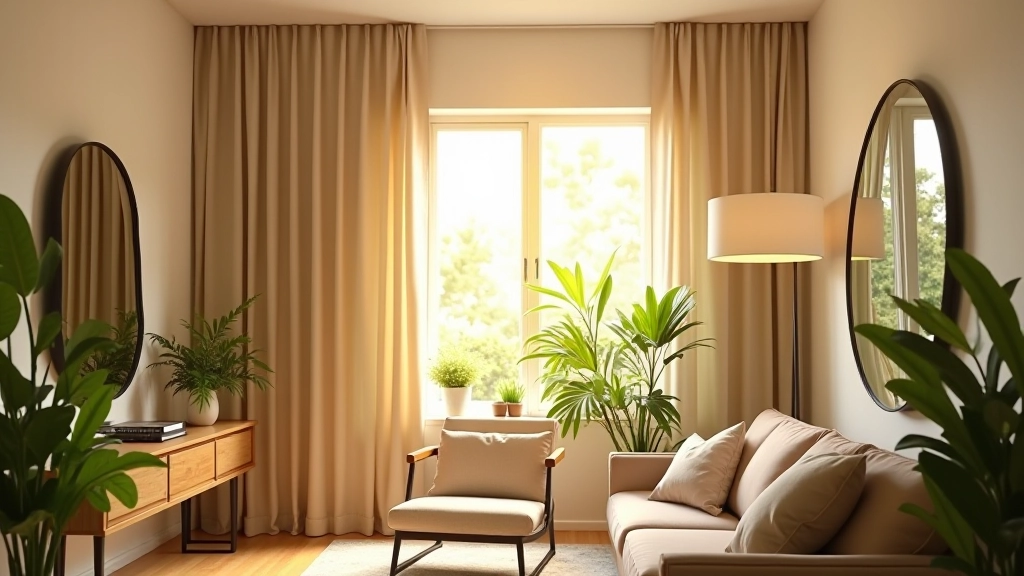
Tropical décor in small spaces isn’t about having the most plants or the brightest colors. It’s about restraint, strategy, and understanding your space. Start with your color palette—warm neutrals as your foundation, then add tropical accents. Choose plants that fit your space, not plants that dominate it. Use materials that create warmth and texture. Place everything strategically so your floor stays open and your eye travels upward. And don’t underestimate lighting.
We’ve transformed 300 square foot studios and 600 square foot condos into tropical havens that feel open, intentional, and absolutely livable. The difference between cramped and cozy is almost always about these strategic choices, not about square footage.
Start small. Pick one element—maybe a color change, maybe three well-placed plants. Live with it for two weeks. See how it feels. Add the next layer. This approach means you’ll actually end up with a space you love instead of a Pinterest board that doesn’t work in real life.